
IPS E.Max Layered
American Dental Laboratory hand-layers ceramic over a pressed or milled lithium disilicate core to create the most customizable esthetics e.max can offer. An industry favorite for over 15 years, every layered e.max case is crafted in-house by Certified Dental Technicians, with a remake rate consistently below 2% and a 5-year warranty.
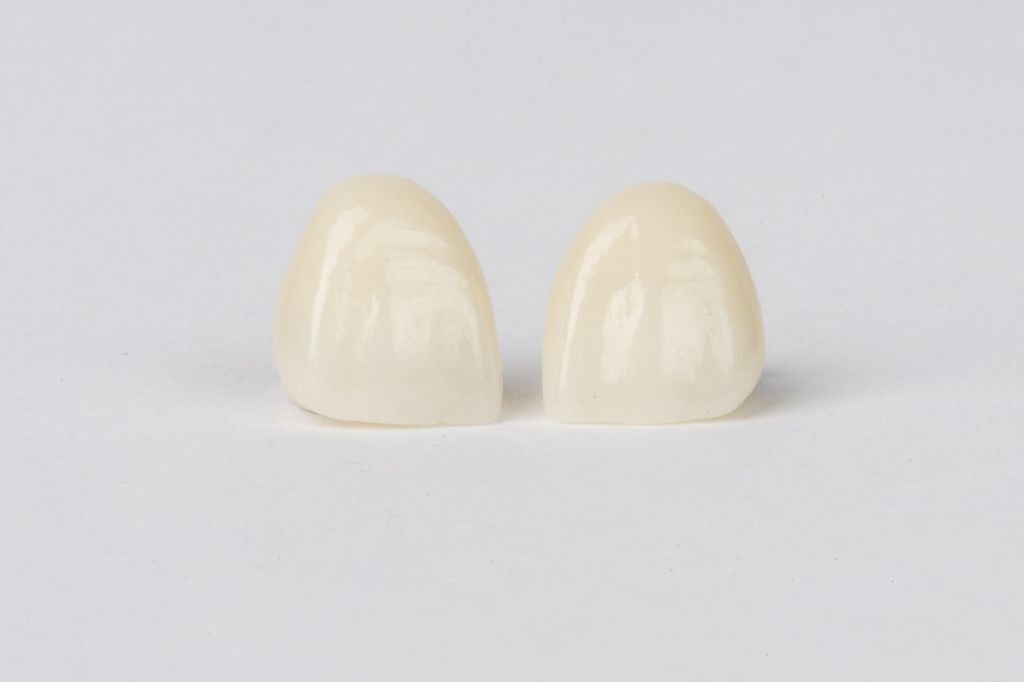
What is IPS e.Max?
Layered IPS e.max starts with the same lithium disilicate foundation as monolithic e.max, then adds hand-applied ceramic on the external surface, either micro-layered or with a facial cutback, depending on the case. The layering gives our technicians full artistic control over translucency, incisal effects, and surface character, producing a restoration that reads as a natural tooth even under close inspection.
It’s the choice for cases where standard shade tabs aren’t enough, and the restoration has to disappear into the smile.
Where layered e.Max excels
Single centrals and difficult matches
When one crown must mirror the natural tooth beside it, hand layering achieves what monolithic materials can't.
Smile makeovers
Veneers and anterior crowns with individualized incisal translucency and character.
High-demand esthetic patients
For the patient who will study their new tooth in the mirror, layered e.max holds up.
Conservative dentistry
Crowns, veneers, inlays, onlays, and anterior bridges up to three units.
For heavy occlusal load or bruxers, the porcelain surface layer (~80-120 MPa) is the limiting factor, so we’ll recommend monolithic e.max or zirconia when the bite calls for it.
E.Max Crown Vs Zirconia: How To Decide
The e max crown vs zirconia decision comes down to what leads the case. E.max, especially hand-layered, delivers translucency and natural depth that zirconia can’t fully reproduce, making it the pick for anterior and esthetic-zone work. Zirconia delivers up to 1300 MPa of flexural strength, making it the pick for posterior crowns, long-span bridges, and bruxers.
Many dentists use both in the same treatment plan: layered e.max in the smile zone, zirconia in the back. Unsure about a specific case? Ask Our Team, and we’ll recommend based on the prep, the bite, and the patient.
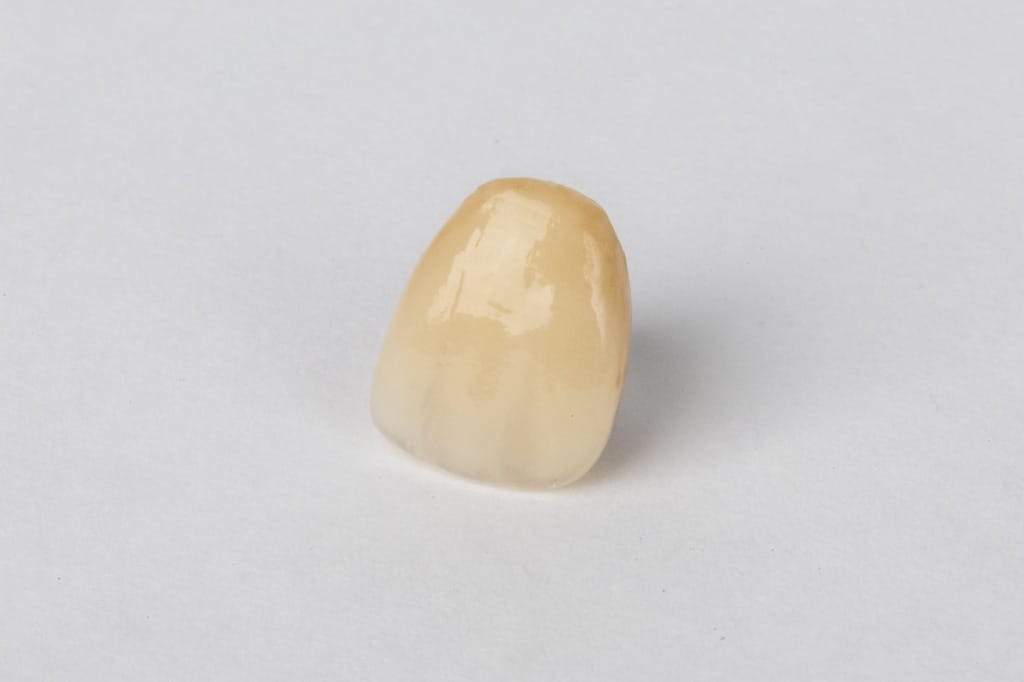
The Layered E.max Standard At Our Lab
Artistry From Trained Technicians:
Hand layering is technician-dependent work, and ours have studied at Dawson Academy, SPEAR Education, Pankey Institute, AACD, and LVI.
Designed Digitally, Finished by Hand:
Cores are designed in Exocad and 3Shape, then layered and characterized manually, keeping our remake rate under 2%.
In-Person Shade Support:
For demanding matches, our team collaborates with you on shade selection, staining, and treatment planning.
On Your Schedule:
10 days in the lab, with 98-99% of cases delivered on time.
Protected Work:
Every restoration carries a 5-year warranty against defects in materials or workmanship
Read what dentists are saying in our testimonials.

Specifications
- Case Range: Anterior and posterior single-unit crowns and veneers, anterior bridges up to three units, plus inlays and onlays.
- Surface Technique: Micro-layered and/or facial cutback with hand-applied ceramic.
- Core Material: Monolithic lithium disilicate ceramic.
- Flexural Strength: Core at ~360 MPa milled or ~400 MPa pressed; porcelain surface layer at ~80-120 MPa.
- Shade Range: Full 16 Vita Classical shades along with bleach shades.
- Delivery Protocol: Conventional cementation, no bonding required.
- Coverage: 5-year warranty from the date of completion.
- Lab Time: 10 working days.
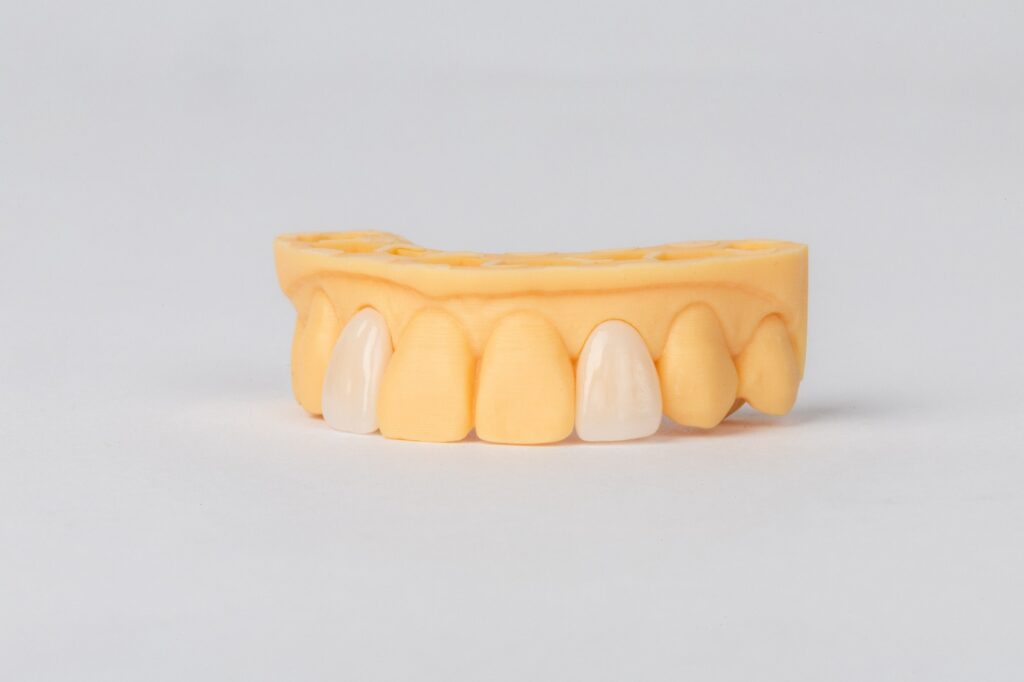

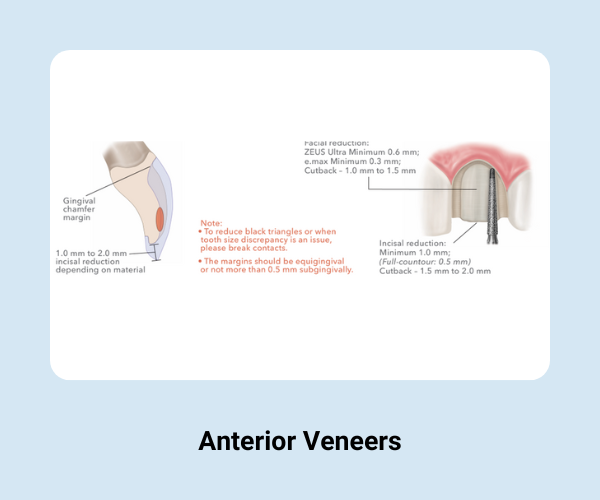
Request a Starter Kit

Starting a Layered E.Max Case
- Impression: Digital scan from any major intraoral scanner, or a traditional impression with download our Rx form.
- Case Notes: Include shade photos or request in-person shade selection for critical matches.
- Fabrication: The core is designed in Exocad and 3Shape, pressed or milled, then hand-layered by our ceramists.
- Final QC: A CDT signs off on fit, shade, and character before your case ships, and tracks and sends cases through our portal.
When the Case Has to Look Perfect
Layered e.max is what we reach for when a restoration has to disappear into the smile. Send a case or request a free starter kit and see the layering work for yourself.
Frequently Asked Questions
Monolithic e.max is milled or pressed from a single block of lithium disilicate. Layered e.max adds hand-applied ceramic to the external surface, giving finer control over translucency and character.
For a single anterior crown next to natural teeth, layered e.max usually wins on esthetics. Zirconia is the better call when strength drives the case. See the comparison above, or send us the scan and we'll advise.
A technique where the facial surface of the core is reduced during design, leaving room for hand-layered ceramic on the visible face. It combines the core's strength with layered esthetics where it matters most.
Yes, for anterior bridges up to three units. Longer or posterior spans should go to zirconia.
Send shade tab photos with the case, or contact us for in-person shade selection. For single-central cases, we recommend involving our team before the prep appointment.